My Experience of being a independent voice at Care Education and Treatment Reviews
You can find out about Shain's thoughts on of being a expert by experience at Care and Treatment Reviews
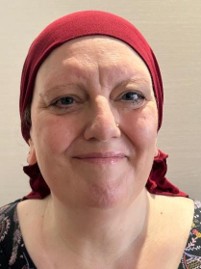
I’m Shain, one of the Experts by Experience with Inclusion North. The Expert Hub is a group of family carers and people with a learning disability and/or autistic people. We have a lot of skills and experience and get involved in projects across Inclusion North. Right now, my main role is taking part in Care (Education) and Treatment Reviews and I’ve been doing them for several years now, across Yorkshire, Humberside and Derbyshire.
When the pandemic hit, we had to change from doing reviews in person to doing them on Teams, which meant adjusting to a new way of working. Honestly, it worked better for some of the people who are the focus of C(E)TRs, and worse for others. The people on the panels worked really hard to try to make sure that everyone felt connected even when they couldn’t meet in person, and we still do that now whether we all meet in the same place or not.
I feel really lucky to do reviews – I love it! Every day is different and it’s a privilege to be involved in someone else’s life and help everyone to focus on their needs. You need to be able to pick up things really quickly, and knowing about medication, housing, discharge arrangements, work and education is really important so you can ask the right questions. You also need to know about restrictions that people might have if they have an offending background, and make sure that the person, their carers and the public all stay safe.
I am completely independent, as I don’t work for the Integrated Care Board (or even the NHS), education or social care. I work for the person the C(E)TR is about and I am also there to make sure families have their voice heard.
On the day of the review, I work closely with the Chair and the clinical reviewer and we get information about the individual direct from them, and from the people who know them best. That can be the people caring for them, their teachers, their doctor, their social worker, their advocate… but if the person has family who are in their life, it always includes the family. One of the loveliest bits of feedback I ever had was from the parent of a young person who was really struggling with their mental health and who wasn’t getting the right support. The parent said at the end of the review, “that was the first time I’ve been in a meeting and actually felt listened to. I felt HEARD.”
I’m also there to challenge, and sometimes that means asking awkward questions. Panel members can challenge senior managers and clinicians in a way that doesn’t always happen without a C(E)TR, and it’s important that we feel able to do that. I work with some amazing Chairs who ask me to lead sections of the C(E)TR, and I will sometimes talk to family members on my own if I think they can make a better connection that way.
C(E)TRs are really important for the individual concerned, and they help make sure that the person is getting the right care now and there are the right plans in place for the future. They can help staff focus on the needs of individuals, and help them be more creative. And when they are done well, reviews are a great way to influence services locally: C(E)TRs are all about inclusion and people having their own voice. We think creatively to help identify solutions, bringing in our own experience where that’s helpful. We give positive feedback to teams who are supporting individuals well and we challenge where there are gaps in services or – and this happens a lot – the teams aren’t talking to each other. It can feel a bit odd to be so involved with someone’s life and care for that one intensive day and then perhaps never see that individual again, but I always tell myself that if I don’t see them again, it means their care and support is working and they’re not at risk of hospital admission. That’s what we ideally want for every person we see!
I feel that C(E)TRs are the cutting edge of inclusion and involvement (but maybe I would say that, lol!). Other work that Inclusion North does helps design systems that give better support to people with a learning disability and autistic people. It helps train individuals and teams to be able to respond to individual needs and to improve the systems and processes so people with additional needs aren’t an afterthought. What C(E)TRs give is an intensive focus on the needs of that one person by a skilled team who are there just for them. I think we’re a great fit with the other work that Inclusion North does.