We did a project for Newcastle City Council.
We ran 3 workshops.
People came together to share ideas:
- People with a learning disability
- Autistic people
- Family carers
- People who work in social care
What was the project about?
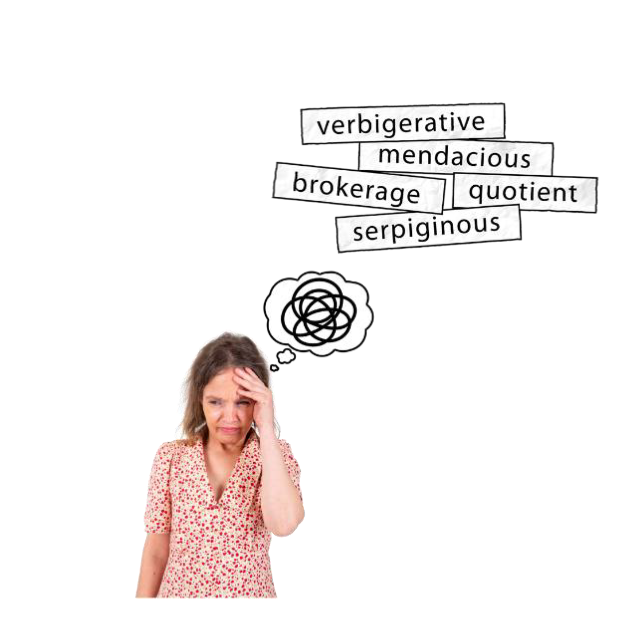
We talked about words used in social care.
We looked at how words can:
- Change how people feel
- Change how people are treated
What did we find?
Some words can:
- Make people feel like a label
- Make people feel different from others
- Not show the full person
What helped?
We learned it is good to:
- Stop and think about the words we use
- Use kind and respectful words
- Talk together about language
What next?
Small changes in language can make a big difference.
They can help improve:
- People’s experiences
- The way services work
Our aim
To use language that:
- Is kind
- Is respectful
- Sees the whole person
You can find more information in the downloads at the side of the screen.
This brought together people with lived experience of a learning disability, autistic people, family carers, and professionals over a series of three workshops to explore how language is used — and experienced — across social care.
The project explored how the words and phrases used in everyday practice shape experiences, relationships, and the wider culture of care. Participants reflected on how language is not neutral, but can influence how people are seen, understood, and supported.
Across the workshops, the group examined common terms, labels, acronyms, and system language. They identified how these can sometimes create distance, reinforce stereotypes, or reduce people to categories rather than recognising them as whole individuals with lives beyond services.
Rather than developing a set of rules, the work focused on encouraging curiosity and reflection. Participants explored how small changes — such as pausing to think about the words we use, or questioning whether language feels respectful and human — can make a meaningful difference in day-to-day practice.
One of the key ideas to emerge from the project was the “Curiosity Ripple Effect” — the understanding that individual awareness and action can influence teams, organisations, and the wider system over time.
The work also highlighted practical ways to support change, including:
- Reducing reliance on acronyms and jargon
- Being mindful of how labels are used and repeated
- Creating space within teams and organisations to reflect on language together
Overall, the project supported a shift towards more human, respectful, and relationship-centred language in social care — recognising people for who they are, rather than defining them by systems or labels.
Read the full report in the downloads at the side of the screen.