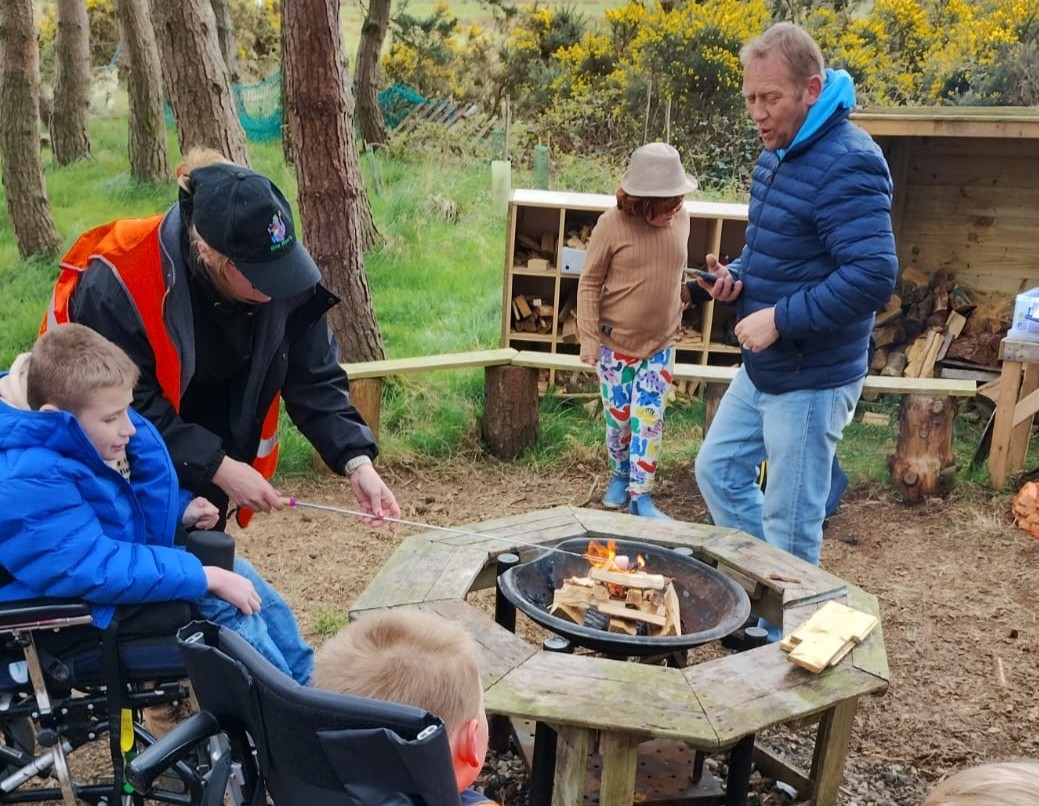
This review provides a robust evidence base for scalable, preventative system change. It translates lived experience research into clear priorities for commissioning, investment and cross-system leadership, supporting reduced inequality and improved outcomes for children and families.
Introduction
Children and young people with a profound and multiple learning disability have the same right to leisure, play and participation as any other child. This right is grounded in equality, dignity and inclusion.
Across the North East and North Cumbria, families consistently report that access to meaningful leisure is extremely limited. Where provision exists, it is often fragile, inconsistent or dependent on short-term funding and individual goodwill.
This regional review brings together research evidence and system level analysis to examine why these barriers persist and what needs to change.
About this review
This review was developed as part of work funded by the North East and North Cumbria Integrated Care Board (NENC ICB). The findings and recommendations reflect independent analysis informed by lived experience research.
This review covers thirteen local authority areas across the North East and North Cumbria.
- Research and family engagement were led by Little SENDsations.
- Inclusion North undertook the synthesis, system analysis and final review writing.
The review draws on:
- Local Offer audits
- Parent and carer interviews
- Insight from SEND inspections
- Mapping of leisure provision
Key findings
Across the region, 324 leisure activities were listed on Local Offers. Only 60 of these (19%) were suitable for children and young people with a profound and multiple learning disability.
Two areas listed no suitable activities at all. Most families had access to only three to five realistic options.
Families described:
- Long journeys and complex planning
- Difficulty knowing whether activities would be safe or suitable
- Poor quality or missing accessibility information
- Reliance on informal networks rather than statutory systems
None of the 13 Local Offers had a dedicated category or filter for profound and multiple learning disabilities.
Why leisure matters
Leisure is not optional.
For children with a profound and multiple learning disability, inclusive leisure supports:
- Sensory regulation
- Emotional expression
- Communication
- Physical engagement
- social connection
Families consistently described how a single suitable activity could transform their child’s wellbeing and reset family life for the week.
At a system level, inclusive leisure contributes to prevention, wellbeing and reduced inequality.
What works – and why it is fragile
The review identified strong examples of inclusive practice, particularly within specialist and parent-led provision.
Effective provision shared common features:
- Sensory aware environments
- Predictable routines and familiar staff
- Physical accessibility and appropriate equipment
- Flexibility and non-judgemental approaches
However, this provision is fragile. Families’ access often depends on goodwill, short-term funding and a small number of trusted providers rather than on a planned system.
How this links to health inequalities and prevention
Children with a profound and multiple learning disability experience some of the starkest health and wellbeing inequalities. Limited access to inclusive leisure contributes to increased isolation, reduced physical activity, poorer mental wellbeing and greater pressure on families.
Inclusive leisure supports prevention by strengthening sensory regulation, emotional wellbeing and family resilience. It aligns with Integrated Care Board priorities around reducing inequalities, supporting prevention, and enabling children to thrive in their communities. Investment in inclusive leisure is therefore not an optional extra, but a preventative intervention that reduces longer-term pressure on health, care and crisis services.
The Big Ask: a Regional Inclusive Leisure Strategy
The review calls for a Regional Inclusive Leisure Strategy led jointly by local authorities, Integrated Care Boards and voluntary sector partners.
This strategy should:
- Recognise leisure as a core component of children’s rights, wellbeing and participation
- Set minimum standards for accessibility, dignity, staffing confidence, equipment and communication
- Establish consistent Local Offer requirements, including dedicated categories for profound and multiple learning disabilities
- Reduce postcode based inequality through coordinated planning and commissioning
- Embed co-production with families and lived experience organisations
- Secure long-term investment in inclusive provision, reducing reliance on short-term projects
Why fund this work?
Without coordinated leadership and sustained investment, children with the most complex needs will continue to be excluded from everyday community life.
Funding this work supports:
- Prevention and wellbeing
- Family resilience
- Reduced inequality
- Scalable models of inclusive leisure
It enables evidence to be translated into lasting system change.
Downloads
- Easy Read review – accessible summary for families and communities
- Full regional review – detailed evidence and recommendations
Work with us
Inclusion North works with families, communities and system leaders to turn evidence into action.
If you are interested in funding, partnering or supporting the next phase of this work, please get in touch.