This project is about making mental health wards safer for people with a learning disability and autistic people.
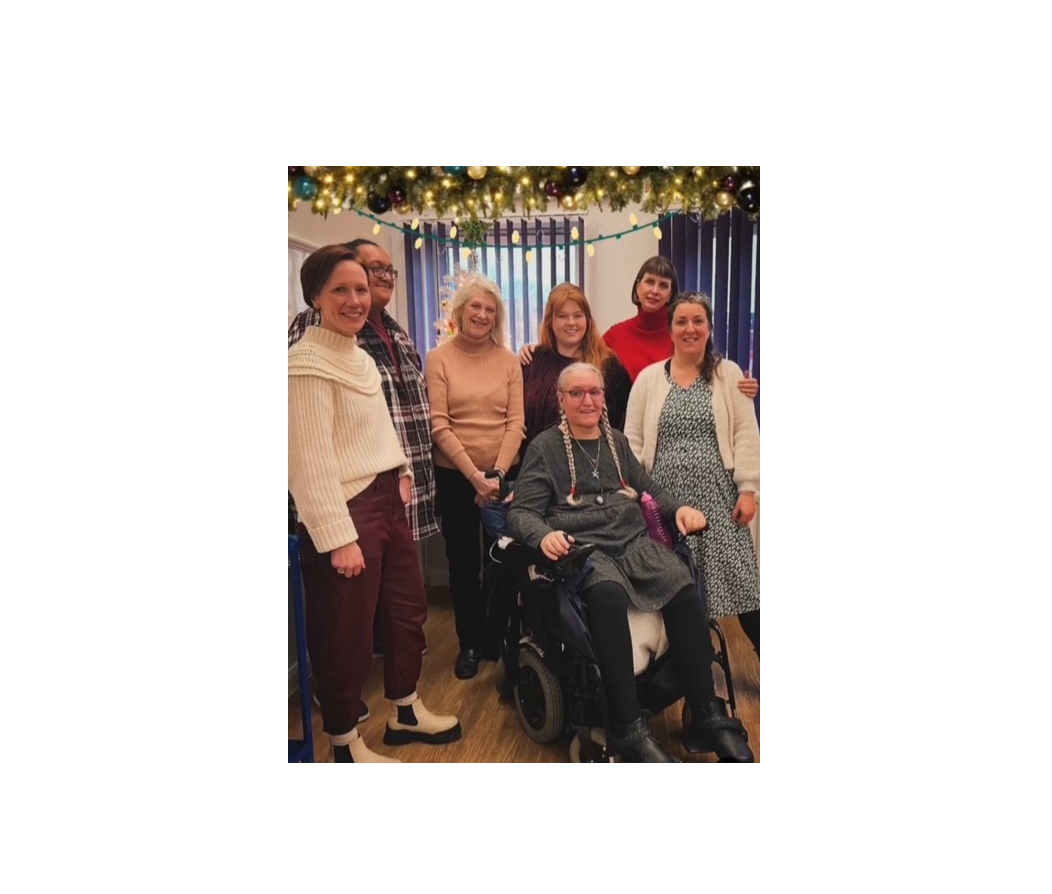
Inclusion North supported 9 people with lived experience to take part in national research led by Leeds University.
People talked about:
What good staff are like
What helps people feel safe
What makes things worse
What needs to change on wards
It is important as people said that:
Feeling listened to helps people feel safe
Knowing someone well can stop things going wrong
Blanket rules and restrictions can cause distress
As a group everyone decided that good care is about doing things with people, not to people.
This project supported people with lived experience of learning disability and autism to influence national research into inpatient safety on mental health wards, led by Leeds University.
Inclusion North worked alongside academic researchers to design and deliver accessible consultation sessions, ensuring that people with lived experience were able to meaningfully contribute to the research process.
Inclusion North supported nine people with lived experience to take part in accessible, paid, consultation sessions focused on safety, care and support on mental health wards. The work included the development of Easy Read materials and inclusive facilitation to ensure people felt safe, informed and supported. People’s experiences and insights directly shaped the research questions and priorities for national research, ensuring lived experience was central to the study.
People with learning disabilities and autistic people are often excluded from research that affects them, particularly in inpatient settings. This project ensured that lived experience was not an afterthought, but a core part of understanding what safety really means on mental health wards.
People with lived experience emphasised that safety improves when care is relationship-based and personalised, reasonable adjustments are made for autistic people and people with learning disabilities, blanket rules and restrictions are reduced, trauma-informed support is provided after incidents, and people have access to advocacy and peer support.
The project ensured that lived experience directly informed national research findings and recommendations. It reinforced that safety is improved when staff take time to know people as individuals, listen before situations escalate, and work collaboratively rather than through control and restriction.
Learning from this work continues to support Inclusion North’s wider system influence, strengthening the case for co-produced, trauma-informed approaches to inpatient care and embedding lived experience at a national level